
9
Community hubs
Local partnership points anchoring delivery in underserved regions.
1,500+
Learners reached
Young people gaining first digital exposure beyond city centres.
22
Outreach visits
On-the-ground engagements building trust and readiness.
5
Regional partners
Institutions and organisations enabling sustainable local delivery.
Our Mission
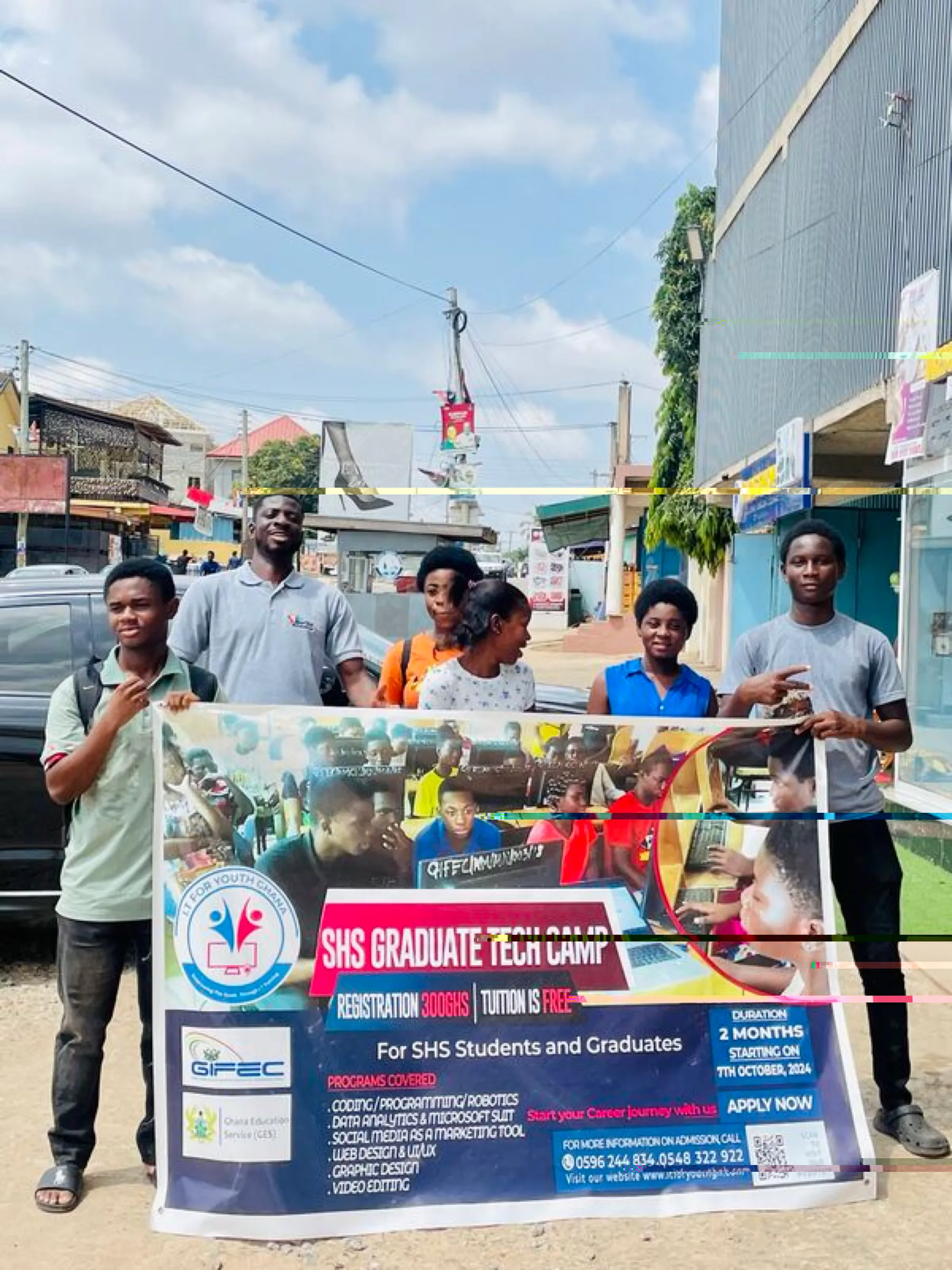
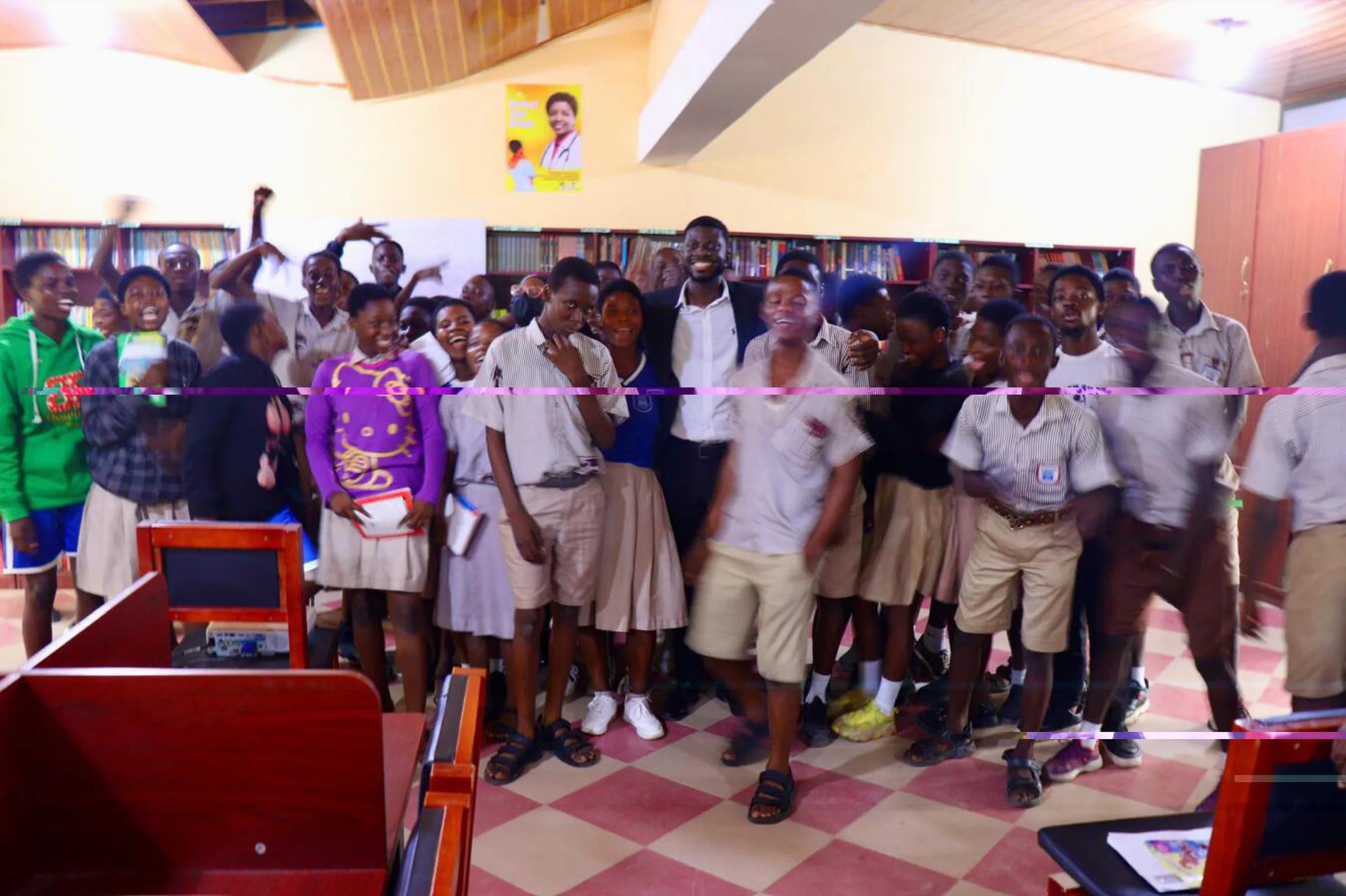
Rural Tech Connect takes digital skills training beyond the big cities, working with local schools and leaders, and opens a route into our main programmes.
Objectives
- Reduce geographic barriers that limit access to quality digital skills training.
- Build local trust and readiness through deep partnerships with schools, leaders, and community institutions.
- Create clear, visible routes from initial outreach into ITFY's core training and club programmes.
Learn more
- Develop a scalable, community-aware expansion model that prioritises inclusion over centralisation.
Community IT labs
A lab of refurbished laptops in a community centre, school or library, set up and supported by us, where young people and the schools around them come to learn.
Refurbished machines
Laptops from the Laptop Bank, wiped, repaired and set up for learning.
Set up for the room
Power protection, a local network and, where we can, an internet connection.
A trained coordinator
We train someone from the community to open the lab, run sessions and look after the machines.
Lessons and visits
Course materials for the schools that use the lab, and regular visits from our training team.
How it works
Partner
Local schools, community leaders, and organisations identify needs and co-design delivery that fits the local context.
Activate
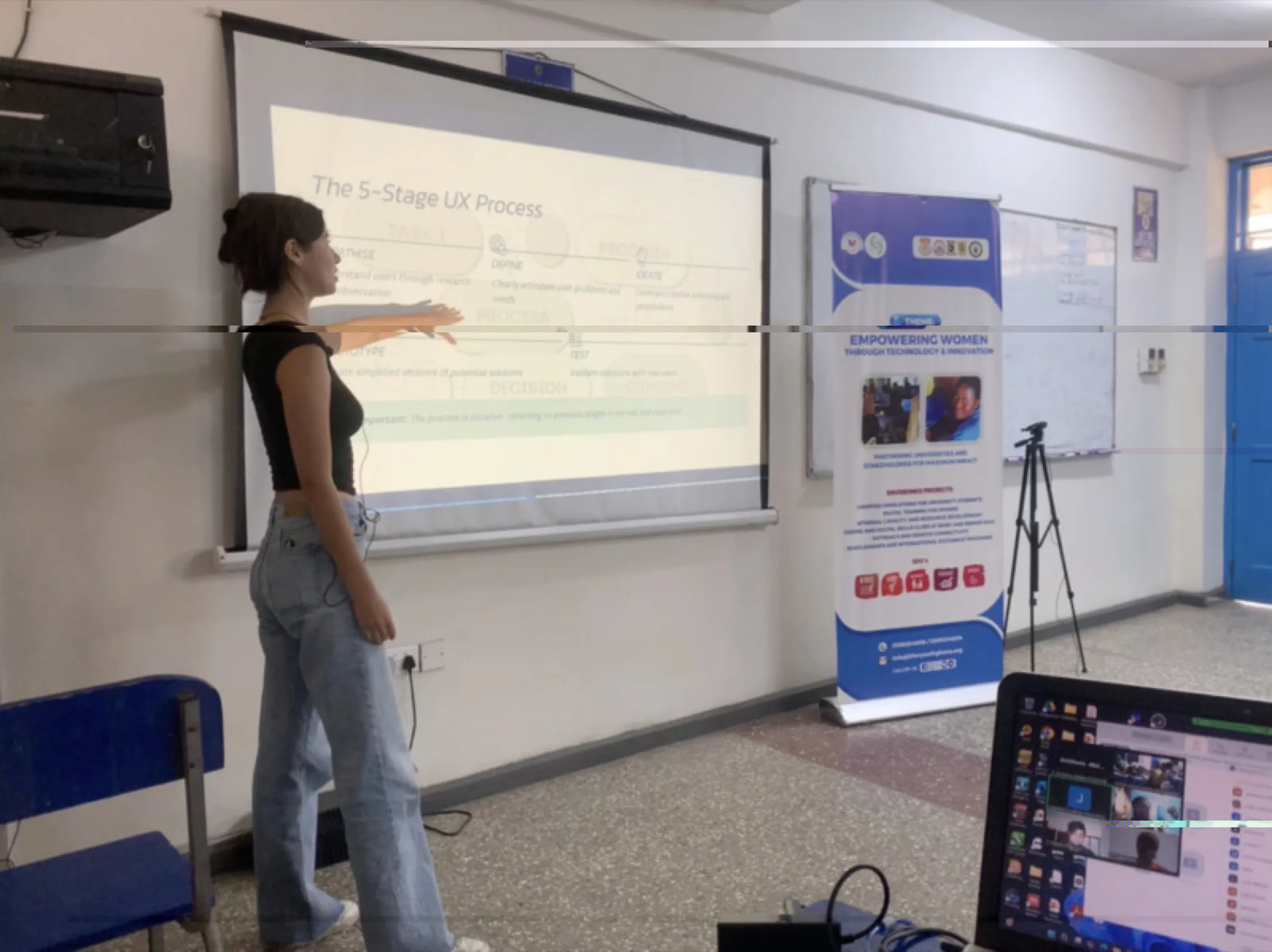
Introductory sessions, workshops, and live demonstrations create first points of access and spark interest.
Train
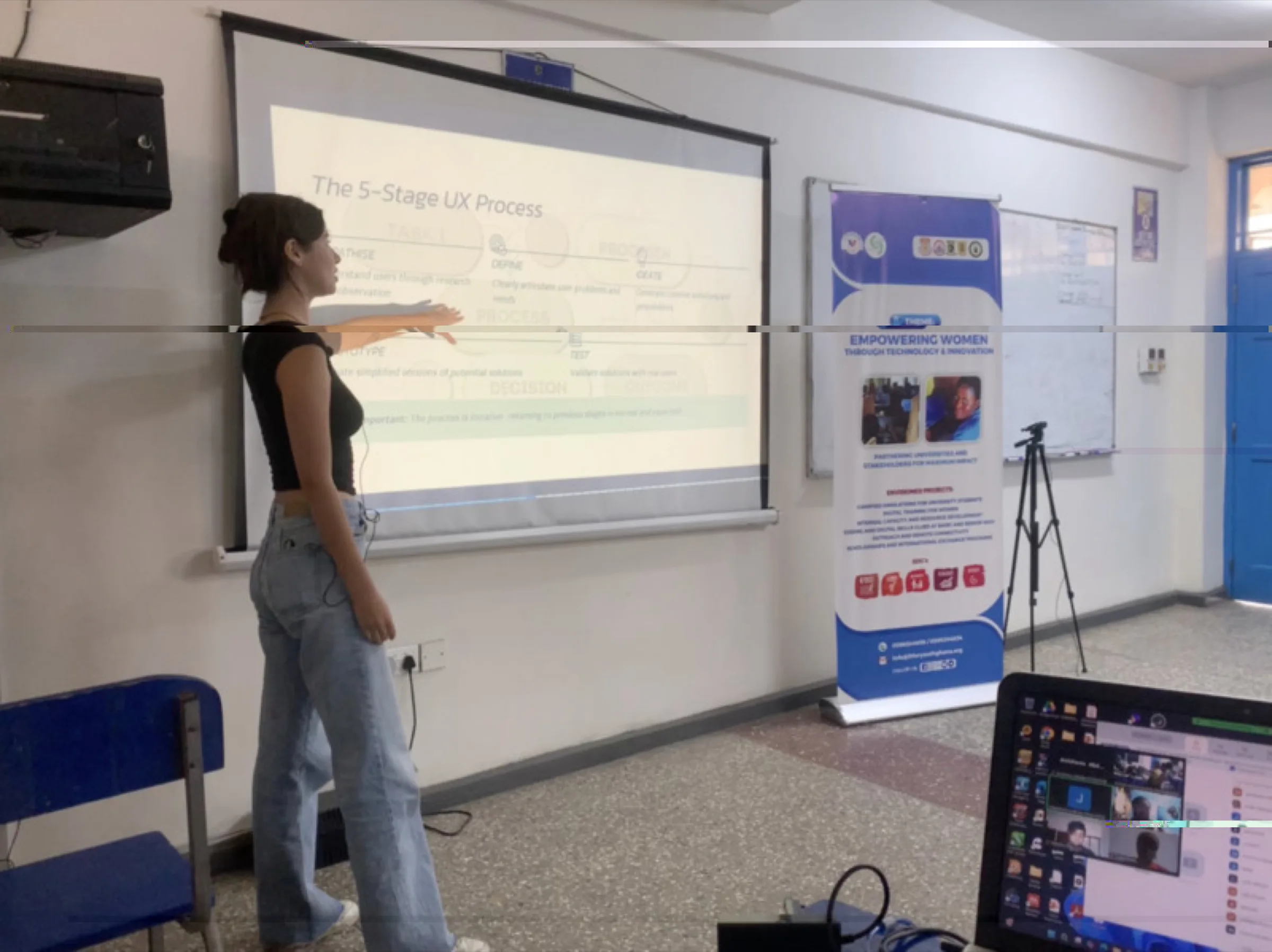
Participants engage in practical digital skills sessions with structured follow-up and local mentorship where possible.
Link
Promising learners are referred into cohort training, tech clubs, or partner-supported advancement pathways.
Who can apply
Community leaders
Chiefs, assembly members and unit committees, for a lab in the community centre.
Community NGOs and groups
Organisations already working with young people in the area.
Schools
A head teacher, for a lab the neighbouring schools can share.
Faith and youth groups
A church, mosque or youth group with a building the community uses.
Impact
42
School activations
Local moments of access that build awareness and digital confidence.
380+
Hands-on learners
Participants who moved from exposure into practical skills engagement.
7
District touchpoints
Geographic reach through sustained partnerships and outreach.
60+
Referral transitions
Learners connected into deeper ITFY training and club pathways.
What a community commits to
A secure room
A room that locks, with burglar-proofing, kept for the lab.
Power
Mains power, or a plan with us for solar.
A coordinator
Someone to be trained, open the lab and keep its timetable.
Open to nearby schools
Neighbouring schools use the lab on an agreed timetable.
A monthly report
How many used the lab, and for what.
Who it is for
Rural Tech Connect serves young people and communities in regions often excluded from centralised digital opportunities, especially where local access and trusted relationships are the key to participation.
- Young Ghanaians in communities beyond major urban centres.
- Schools and local actors seeking practical digital exposure pathways for their youth.
- Regional partners committed to geographically inclusive skills development.
- Entry often depends on local school partnerships, community activations, or regional outreach plans.
- No prior technical experience is required for initial engagement.
- Partner-supported pathways can extend opportunities for learners ready for deeper programmes.
From application to opening
Apply
Tell us about the community, the space and what you need.
We visit
We see the room, the power and the schools around it.
We agree the plan
The machines, the set-up and what each side does, in a signed agreement.
Set-up and training
We install the lab and train the coordinator.
Opening, then visits
The lab opens to its schools, and we come back to support it.
Apply for a community IT lab
For a community leader, a community NGO, a school or a faith group.
Questions
Does Rural Tech Connect run year-round in every location?
Not yet. Where we go depends on outreach schedules and local partners.
Is this only an awareness programme?
No. It includes awareness, practical engagement, and referral into deeper pathways where possible.
How can organisations support this work?
Support can come through sponsorship, logistics, local connections, or partnership models that help reach more communities sustainably.
“Bringing the programme to us changed everything. It made technology feel close enough to belong to us too.”
Awartey L.Regional participant“Rural Tech Connect works because it respects local context and builds trust before expecting commitment.”
Avevor S.Community partner“The real value is not just the session itself. It is the route it opens for learners afterwards.”
Adjej K.Regional education supporterOur approach
We establish permanent learning centers in partnership with local schools and community organizations. Each center receives ongoing support, internet connectivity, and regular visits from our mobile training teams.
Where participants go next
“Participants move into our clubs and cohort training, and some into online and remote work.”
Rural Tech Connect