14
Challenge teams
Learner groups building solutions around shared problem statements.
6
Partner briefs
Real-world themes and community-facing challenge prompts.
120+
Participants
Young people exposed to challenge-based collaborative learning.
4
Showcase rounds
Visible presentation milestones from concept to final demo.
Where technical skills meet real constraints
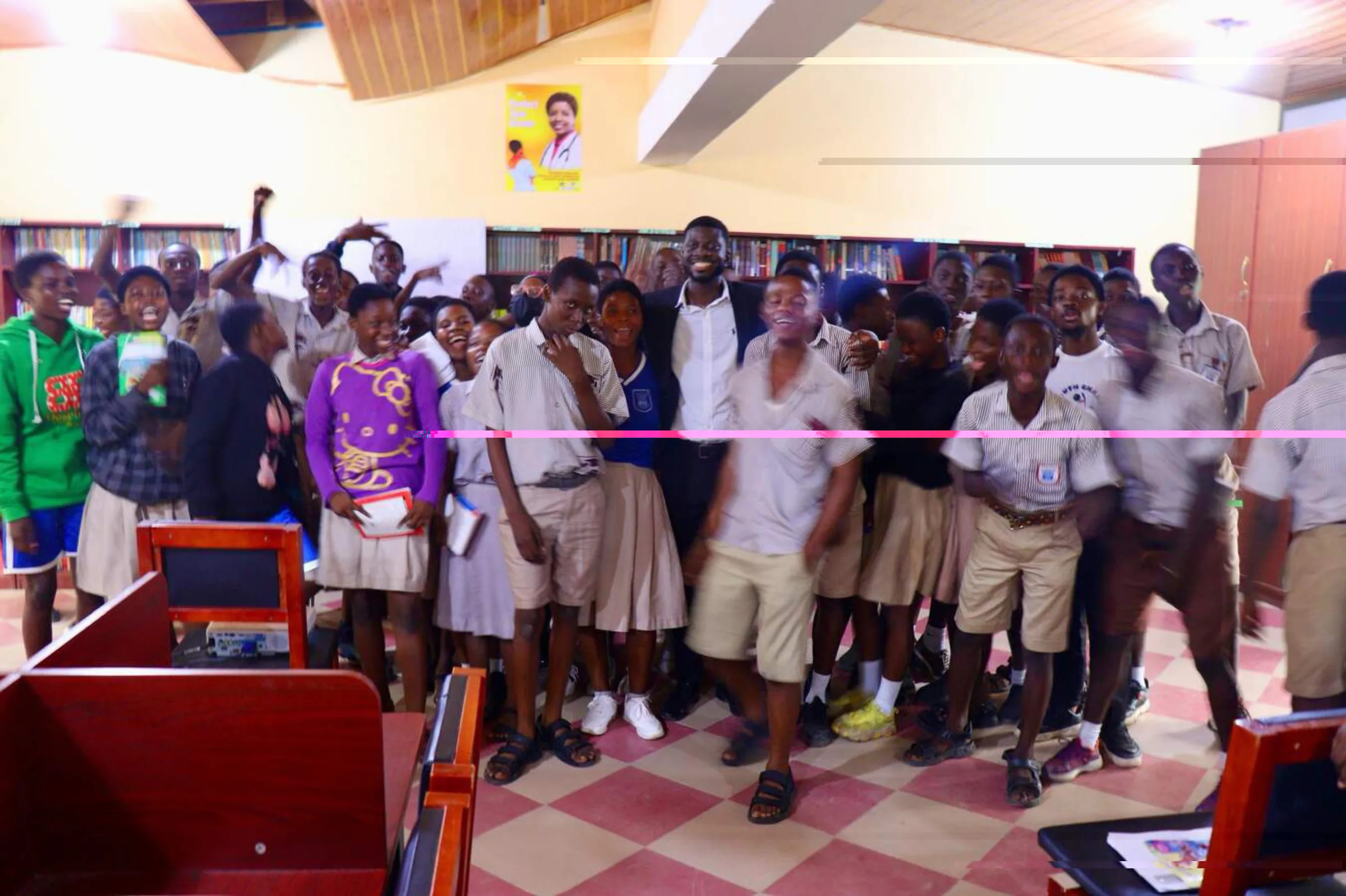
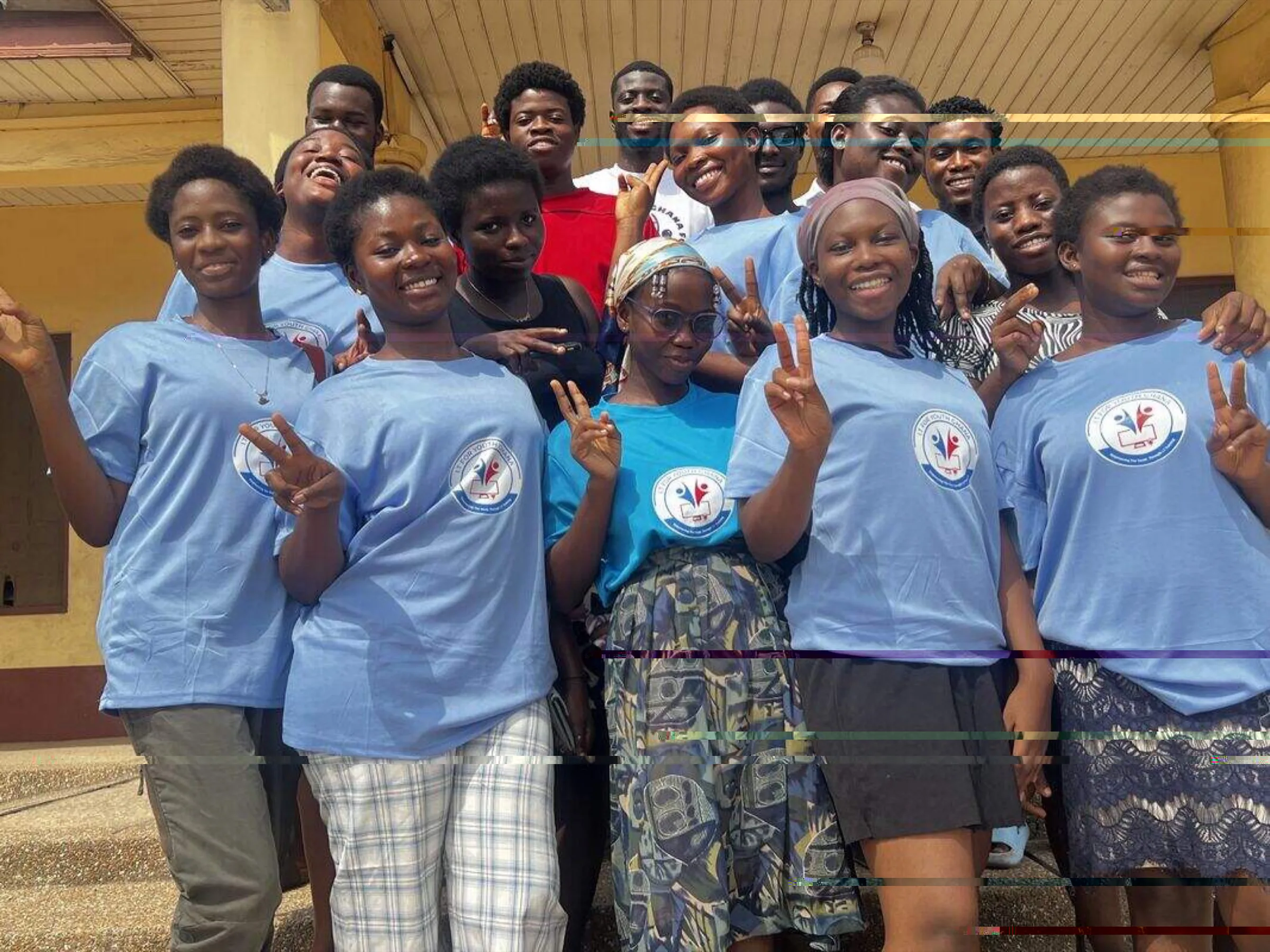
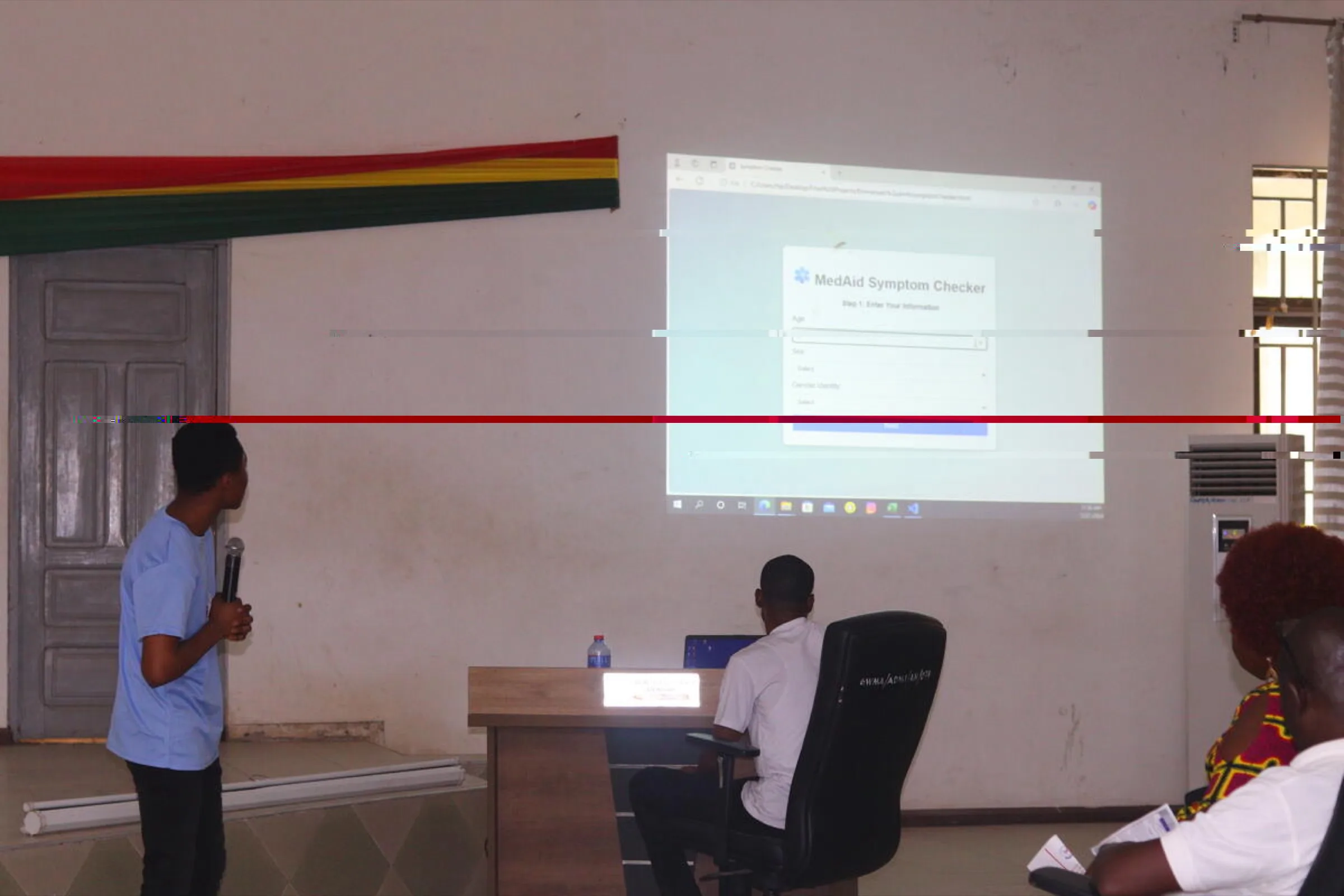
The Code Impact Challenge gives teams a deadline and a real local problem: they research it, build a solution and present it to judges and partners.
Objectives
- Strengthen problem-solving, collaboration, and communication through purposeful, time-bound competition.
- Help learners practice applied building and public presentation, not only private classroom work.
- Create visible moments where communities, partners, and stakeholders can see learner capability in action.
Learn more
- Foster a culture of experimentation, iteration, feedback, and professional delivery.
How it works
Frame
Teams take a challenge drawn from a real local or social problem and build a working digital answer to it.
Build
Participants research, prototype, test, and refine possible responses within a structured challenge window with clear milestones.
Present
Teams pitch their work to peers, judges, and invited stakeholders with transparent criteria, deadlines, and constructive feedback.
Reflect
Feedback and debrief sessions help participants carry lessons forward into future projects, deeper programmes, or venture work.
Impact
28
Prototype concepts
Ideas developed into early challenge-ready solutions with real-world relevance.
11
Judging mentors
Partners and practitioners helping teams sharpen their thinking and delivery.
4
Winning teams
Outstanding participant groups recognized for execution, impact, and collaboration.
88%
Team completion
A strong signal of engagement, accountability, and collaborative follow-through.
Who it is for
This initiative is best for learners who already have some technical exposure and want a more applied, collaborative, and time-bound format to stretch their skills and build visible portfolios.
- Participants ready to practice teamwork, problem-solving, and public presentation.
- Learners who benefit from challenge deadlines, feedback loops, and showcase moments.
- Young builders interested in innovation, prototyping, and community-relevant solutions.
- Works best for learners with some prior exposure to digital tools or technical learning pathways.
- Participants should be comfortable collaborating, presenting, and iterating quickly under guidance.
- Teams may combine different strengths, including design, coding, research, and storytelling.
Questions
Is the challenge only for advanced coders?
No. Teams can bring different strengths, and challenge design rewards research, design, communication, and execution alongside technical depth.
Do participants work alone or in teams?
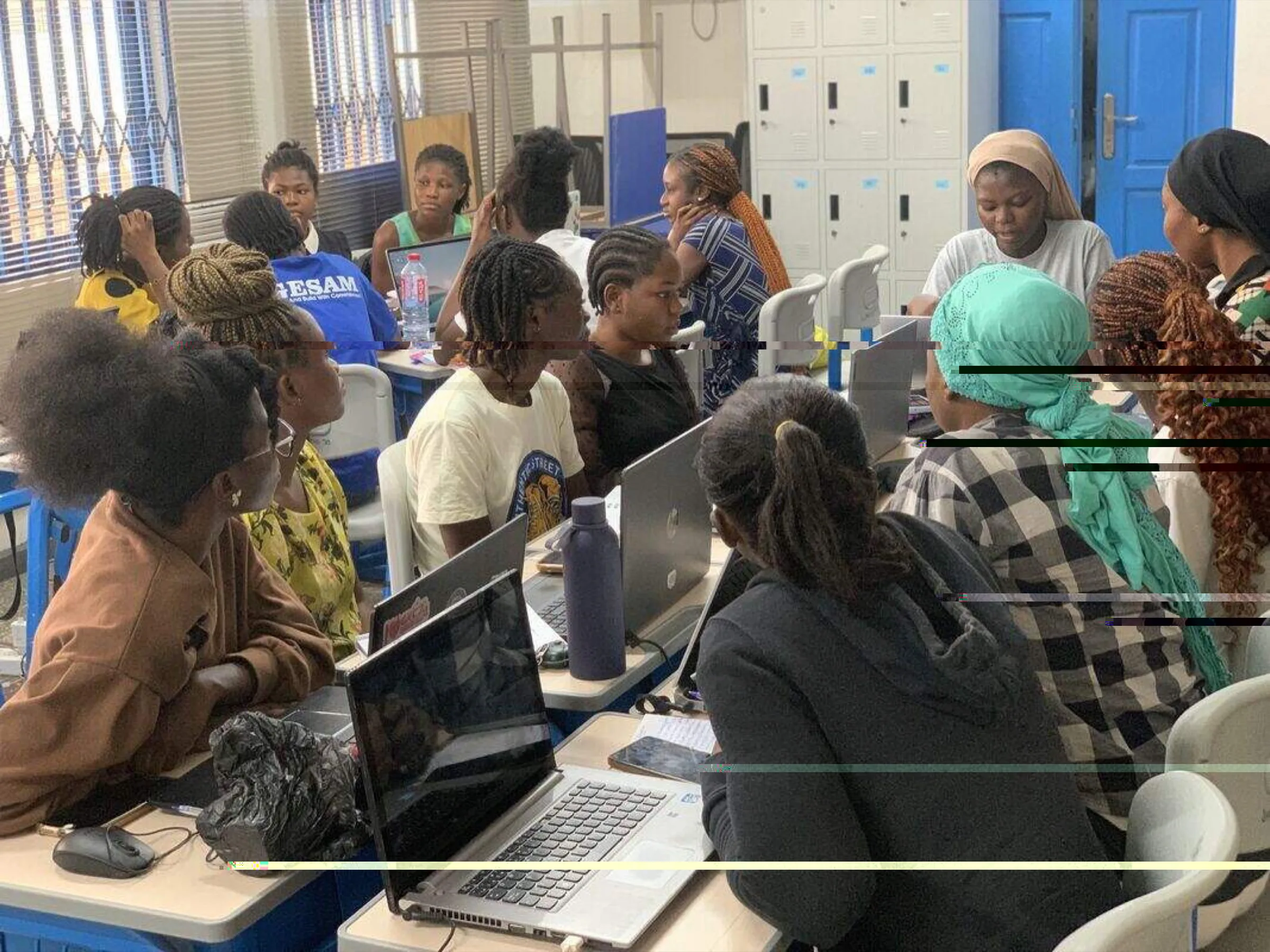
The challenge is designed primarily around collaborative teams because teamwork, communication, and shared accountability are core learning outcomes.
What happens after the challenge ends?
Strong teams and individuals can be connected to future programmes, showcases, mentorship, or partnership opportunities based on performance and interest.
“The challenge forced us to think clearly, move faster, and explain our decisions in a way we never had before.”
Saah J.Challenge participant“It was one of the few experiences where you could see learners becoming more confident with every round.”
Amoako F.Volunteer judge“The strongest teams were not always the most technical. They were the ones that understood the problem best.”
Agboku E.Mentor and reviewerOur approach
Our 48-hour hackathon brings together developers, designers, and entrepreneurs to work on real challenges submitted by local organizations. Participants receive mentorship from industry experts and access to cutting-edge development tools.
Where participants go next
“Strong teams go on to showcases, mentoring and partner projects; many individuals move into the Academy or the Entrepreneurship Hub.”
Code Impact Challenge